
I've watched too many property managers scramble the week before a security audit. They're pulling records from filing cabinets, tracking down missing visitor logs, and hoping the fire inspector doesn't ask about that magnetic lock on the third floor.
That approach doesn't work anymore.
In 2025, audits aren't about checking boxes on inspection day. They're about proving you have systems that work year-round. The facilities that pass are the ones treating compliance as an operational process, not an annual emergency.
Here's what you need to know.
The Compliance Landscape Changed While You Weren't Looking
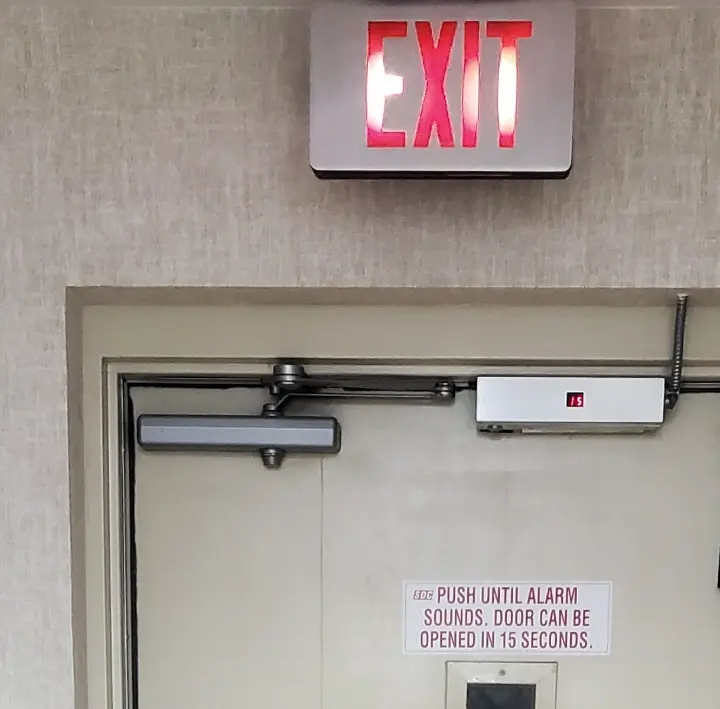
Fire departments are cracking down on magnetic locks. Hard.
The reason? Mag locks can create man traps. If that exit switch fails during an emergency, you've trapped people inside a burning building. Fire inspectors know this, and they're not letting it slide anymore.
I'm seeing facilities remove out mag locks and retrofit with electronic strikes. It’s expensive. It’s disruptive. And it's happening because people installed the wrong hardware years ago without understanding fire code requirements.
The shift back to electronic strikes isn't a trend. It’s enforcement catching up to safety standards.
But magnetic locks are just one piece. The global compliance landscape is more complex than ever—with stricter requirements for documented processes, continuous monitoring, and audit trails. You can't rely on one annual walk-through anymore.
What Auditors Actually Look For
Forget the technical specs for a minute. Auditors want to see three things:
- Documentation that proves you maintain your systems.
Not that you can maintain them. That you do. - Training records showing employees understand access control.
Signed certificates. Timestamped logs. Version-controlled policies. - Evidence of regular testing.
Penetration tests, quarterly reviews, maintenance logs.
The pattern is clear: auditors want proof of systems, not promises of good intentions.
The Visitor Log Problem Everyone Ignores
Two-thirds of organizations are required by statute to meet specific access control standards. Most include visitor tracking.
Paper logbooks don’t cut it.
You need:
- Timestamped, searchable digital records
- Temporary credentials that expire
- Logs showing which doors visitors accessed
Missing or incomplete visitor logs = immediate compliance failure.
And here’s the part most people miss:
Visitor credentials must tie to access permissions.
A name in a notebook isn’t enough. You need a full digital trail.

The Loose Fob Problem
An employee leaves. You remove them from the software.
But where’s their fob?
Auditors will ask for reconciliation between:
- Active credentials
- Physical fobs in circulation
Failure is certain unless you can document or at least record the loss or theft of all unaccounted-for fobs.
The fix is simple but requires discipline:
- Maintain an up-to-date credential list
- Retrieve fobs upon termination
- Ensure only active users possess physical credentials
Fire Code Documentation You Can't Skip
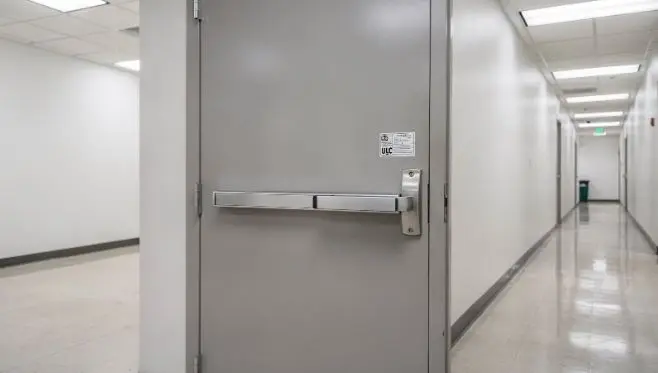
Fire inspectors check ULC ratings and fire labels on every component:
- Door closures
- Panic hardware
- Strikes
- Locks
- Fire-rated doors
A current hardware inventory detailing all ratings must be readily available for immediate access. Should the fire inspector examine a door requiring a fire label, all associated hardware must bear UL fire labels indicating their corresponding fire rating.
This isn’t bureaucracy—fire-rated hardware saves lives.
The Integration Gap Nobody Talks About
Many access control integrators don’t understand mechanical hardware.
They install electronic systems without knowing:
- Egress requirements
- Compatibility with door hardware
- Differences between mag locks & electric strikes in emergencies
The result?
A perfectly functioning system that still fails the audit.
You need professionals who understand:
- Electronic access control
- Mechanical and life-safety hardware
- Fire code requirements
Expertise in one area is no longer enough.
Proper compliance requires both.
The Steps in getting your Audit Prep to Compliance
If you're starting from scratch, here are steps that you can use.
Step 1: Audit and Document
- Full building walkthrough
- Identify vulnerabilities
- Hardware inventory creation
- Document ULC ratings
- Review visitor & credential systems
Step 2: Fix and Update
- Replace non-compliant hardware
- Update policies
- Upgrade visitor management
- Reconcile credential lists
- Build maintenance schedules
Step 3: Train and Test
- Train all employees
- Document completion
- Run penetration tests
- Conduct internal compliance review
- Prepare audit documentation packages
If you're coordinating multiple vendors, this will make it a bit more difficult, but you can always try to find a vendor that can handle it all.
What To Prioritize Right Now
If you can only do one thing:
Walk your building with a securityprofessional who understands real-world criminal entry.
Not just electronic installers.
Not just IT Dept.
Someone who can spot:
- Pushback latch vulnerabilities
- Missing blocker plates
- Mag locks that create man traps
- Improper egress hazards
This assessment reveals problems long before auditors—or intruders—do.

The Real Standard for 2025
Compliance isn’t about passing an audit anymore.
It's about ensuring the safety of occupants and assets year-round.
Facilities that succeed:
- Maintain continuous documentation
- Train regularly
- Test systems quarterly
- Treat audits as routine
- Use dashboards for ongoing monitoring
Those that fail?
They scramble annually, patching issues at the last minute and paying for emergency retrofits.
You already know which approach works better.
Need to get audit-ready for 2025?
Call Trackcess for professional security audits and compliance assessments.
Trusted, certified, and experienced in keeping Calgary facilities inspection-ready year-round.
403-245-5556